Common Indoor Air Pollutants
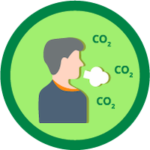
Sources
- Breathing
- Tobacco smoke
- Combustion sources
Potential Health Effects
- Cause sleepiness and even headaches; dizziness and nausea at high levels.
Measures to Improve IAQ
- Ensure sufficient ventilation and fresh air supply

Sources
- Combustion sources, e.g. cooking stoves with open flame
- Vehicle exhaust
- Tobacco smoke
Potential Health Effects
- Cause headaches, nausea, fatigue, rapid breathing, chest pain; even be fatal at high levels
Measures to Improve IAQ
- Avoid combustion in indoor environments
- Provide local exhaust when cooking
- Switch off engines when idling
- Maintain sufficient ventilation
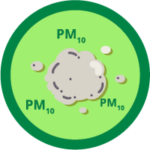
Sources
- Combustion sources, e.g. cooking stoves with open flame
- Office equipment, e.g. photocopiers and laser printers
- Tobacco smoke
Potential Health Effects
- Cause irritation to the eyes, skin and respiratory system; sometimes trigger allergic reactions
Measures to Improve IAQ
- Clean and vacuum frequently
- Avoid combustion in indoor environments
- Provide local exhaust for polluting sources
- Maintain sufficient ventilation
- Use portable air purifiers
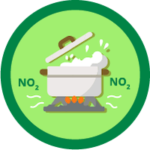
Sources
- Combustion sources, e.g. cooking stoves with open flame
- Vehicle exhaust
- Tobacco smoke
Potential Health Effects
- Cause irritation to the eyes and respiratory system
Measures to Improve IAQ
- Avoid combustion in indoor environments
- Provide local exhaust when cooking
- Switch off engines when idling
- Maintain sufficient ventilation

Sources
- Office equipment, e.g. photocopiers, laser printers and fax machines
- Air purifiers with high-voltage discharge components
Potential Health Effects
- Cause irritation to the eyes and respiratory system; impair the lungs at high levels
Measures to Improve IAQ
- Isolate any ozone-emitting equipment with a local exhaust system
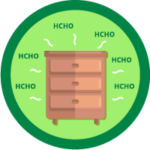
Sources
- Composite wood products, e.g. furniture
- Paints and adhesives
- Building materials such as urea-formaldehyde foam insulation
- Tobacco smoke
- Incense burning
Potential Health Effects
- Cause irritation to the eyes and respiratory system; impair the lungs at high levels
Measures to Improve IAQ
- Select wooden furniture with low-formaldehyde emission
- Use paints and adhesives with low emission
- Air out new furniture
- Maintain sufficient ventilation
- Avoid incense burning indoors

Sources
- New furniture
- Renovation materials, e.g. paints and solvents
- Consumer and aerosol products, e.g. cleaning agents, disinfectants, pesticides, cosmetics and fragrance products
- Dry-cleaned clothes
- Tobacco smoke
Potential Health Effects
- Cause irritation to the eyes, nose and throat
- Cause headaches, dizziness, and visual disorders
- Some VOCs are carcinogens
Measures to Improve IAQ
- Use no- or low-emission furniture and renovation materials
- Reduce use of VOC-containing consumer products and aerosol products
- Air out new furniture
- Maintain sufficient ventilation
- Avoid smoking indoors

Sources
- Concrete building materials containing granite
Potential Health Effects
- Increases the risk of lung cancer
Measures to Improve IAQ
- Use sealant or wallpaper to cover up concrete materials
- Maintain sufficient ventilation

Sources
- Dirty filters and ducting in air-conditioners and ventilation systems
- Growth is accelerated by inadequate ventilation and damp and dusty environments
Potential Health Effects
- Cause sneezing, watery eyes, coughing, shortness of breath, dizziness, lethargy, fever, and digestive problems; trigger allergic or asthmatic reactions
Measures to Improve IAQ
- Clean ventilation system and replace filters regularly
- Keep premises clean and dry (relative humidity <70%)
- Maintain good hygiene and ventilation
- Vacuum regularly

Sources
- Grow rapidly on organic matters under wet and warm conditions
Potential Health Effects
- Trigger allergic reactions, e.g. headaches, sneezing, runny nose, red eyes and skin rashes
Measures to Improve IAQ
- Keep premises clean and dry (relative humidity <70%)
- Fix water leakage/seepage problems
- Clean up mould patches promptly
- Clean ventilation system and replace filters regularly
- Vacuum regularly

Sources
- Smoking
Potential Health Effects
- Cause respiratory irritation and adverse effects on the cardiovascular system
- Increase the risk of lung cancer
Measures to Improve IAQ
- Avoid smoking indoors